Tuesday, March 21, 2023

INVALSI 2023


Prove INVALSI 2023 - Inglese


I test Invalsi per la terza media sono delle prove che hanno lo scopo di testare le conoscenze di italiano, matematica e di inglese, degli studenti di tutta Italia.
Devi sapere che l'Invalsi funziona in modo diverso dalle prove degli scritti dell'esame di terza media.

Questo, infatti, non viene preparato dalle commissioni formate dai professori della tua scuola, ma dall’Istituto Invalsi, che prepara domande uguali per tutti gli studenti in Italia. 

Le prove dureranno ciascuna 90 minuti, 15 minuti in più rispetto agli anni scorsi: il Miur ha allungato la durata per permettere agli studenti di rispondere con calma alle domande.

La prova Invalsi terza media inglese 2023 si terrà, come per quanto riguarda italiano e matematica, nel range di date previsto dal Miur (generalmente ad aprile). La prova si terrà al PC.

La prova d'inglese sarà suddivisa in due parti distinte ma non indipendenti: una volta iniziato il test d'inglese non si fermerà finché non avrete completato entrambe le prove. Vediamole insieme nel dettaglio.

READING

La prima parte dell'Invalsi di inglese che dovrai affrontare sarà la comprensione del testo, il reading. 

La durata della prova è di 40 minuti. 

Troverai testi diversi, di livello A1 e di livello A2, ciascuno con 3-4 domande di comprensione.

  • Testo livello A1: testo della lunghezza massima di 110 parole al quale sono associate le domande di comprensione.

  • Testo livello A2: massimo 220 parole più dalle 3 alle 8 domande di comprensione.

La tipologia di lettura che ti sarà richiesta è:
  • Lettura veloce selettiva: la prima lettura con cui dovrai comprendere soprattutto il significato del testo;

  • Lettura attenta: per comprenderne le idee principali.

  • Le domande prevedono:

    • risposta multipla;

    • risposta aperta breve;

    • risposta vero, falso o non ci è dato saperlo;

    • collegamento - matching.


LISTENING

La seconda parte del test Invalsi terza media inglese sarà dedicata alla comprensione dell'ascolto (listening). 

La durata è di 30 minuti e sono previste 3-4 domande per livello (A1 e A2). 

I brani dell'ascolto non dovanno superare i 2 minuti. 

Le tipologie di ascolto sono:
  • Ascolto veloce selettivo - per comprenderne il signigifcato generale;
  • Ascolto attento - per comprendere l'idea principale.
I brani saranno brani autentici e allineati al livello di Quadro Comune Europeo Riferimento A1 e A2.

  • Le domande a cui dovrai rispondere saranno:

    • a risposta multipla;

    • breve aperta - max 4 parole;

    • a collegamento - matching.

Questa seconda fase si svolge dopo la pausa di dieci minuti dopo il termine della parte di reading. Il docente ti chiederà di indossare le cuffie, inserire le credenziali e attenersi alle indicazioni che sentirai nel file audio.

Ogni task della prova di inglese sarà preceduto dalle istruzioni che saranno:
  • Scritte in inglese con un uso di parole coerenti con il livello A1 del Quadro Comune Europeo di Riferimento;
  • Standardizzate: ogni task, sia di reading che di listening è accompagnato da istruzioni che hanno sempre la stessa formulazione.

Tra le due parti della prova verrà data una pausa di 10 minuti. Ricordati che non potrai interrompere la prova quando vorrai.

La prova di listening è sempre computer based: pertanto, sotto richiesta del Miur, la scuola si dovrà dotare di un sistema audio-cuffie idoneo per la somministrazione del file.

Una volta che il professore darà il via, inizierà il task 1. 

  • Sul monitor visualizzerai delle istruzioni in inglese, seguirà una pausa di 20 secondi per visionare le domande prima che inizi il test. 
  • Dopo il primo ascolto ci sarà una pausa tecnica di 5 secondi e seguirà il secondo ascolto. 
  • Dopo il secondo, ci sarà un'ulteriore pausa di 20 secondi per il completamento e la verifica da parte dell'allievo delle risposte fornite.

Gli stessi passaggi verranno ripetuti per il task 2.


A questi links puoi allenarti per la prova Invalsi di inglese:


Sunday, October 16, 2022

Holidays


Holidays pair work


Holidays pair work – classi terze

present simple / past simple / “going to” / present perfect


Situazione: 2 o 3 ragazzi si incontrano per caso nella

 località della foto e fanno conversazione.

Possibili argomenti per il dialogo (sotto forma di domande):

·       What’s your name?

·       Where are you from?

·       Have you been here for a long time?

·       When and how did you arrive?

·       Where are you staying during this holiday (hotel, campsite…)?

·       How long are you going to stay in this place?

·       Who are you here with?

·       Is it your first time here?

·       What have you visited since your arrival here?

·       Have you already tried local food? Which did you like/dislike? 

·       And what about your last holiday, where did you go?

·       Who did you go with?

·       How long did it last?

·       Do you remember any nice moments of your holiday?

·       Where did you usually go on holiday when you were a child? Do you still go back there?

·       What is the most memorable holiday you have had?

·       What are you going to do on your next holiday?

·       How are you going to get there?

·       Who is going with you?

·       How long are you going to stay there?

·       Where are you going to stay?

·       What special things do you plan to do?

·       What do you usually like doing on holiday?

·       Do you prefer summer or winter holidays?

·       What is your favorite thing to do with your family on holiday?

·       Do you bring souvenirs from holidays? Which ones?

·       Do you prefer visiting cities, going to the beach or to the mountains? Why?

·       How do you feel when you come home after a holiday?

·       What is the one thing you always travel with?

·       Who packs your things? You or your parents?

·       Where is the most beautiful place you’ve ever been?

·       Have you ever been to…?

·       Have you ever had a bad experience during your holidays?


Tuesday, February 22, 2022

Yusra Mardini


Yusra Mardini – from Syrian refugee to Olympic swimmer

Yusra Mardini is 23 years old. She was born in 1998 near Damascus, in Syria.

Her dad was a swimmer for the Syrian Olympic team. He trained his daughters, Yusra and Sarah, to be champion swimmers. Her mother was a physiotherapist. In 2012, Yusra represented Syria in the FINA World Swimming Championships.

The civil war between the Syrian Arab Republic government and people that opposed its violent representatives started in 2011. 500,000 people died in these 11 years. It is still continuing.

Yusra’s house was destroyed, a bomb hit the local swimming pool. Her family had to move six times in two years because of the war. Her father was arrested and beaten by Syrian soldiers.

In 2015, Yusra and Sarah decided to go away from Syria. Their parents couldn’t go with them and didn’t want them to leave because it was very dangerous, but the girls wanted a better life. They went from Beirut to Istanbul by plane. Yusra was 17, Sarah was 20 years old.

In Turkey, they got on an inflatable boat with 18 other people. The boat could carry only 7 people, so after 15 minutes, the motor stopped and the boat started to sink. Yusra, Sarah and other 2 refugees went into the water and started swimming. They pushed and pulled the boat and swam for over 3 hours in the night. They arrived in the island of Lesbos in Greece. They saved everybody’s lives. Sarah injured her arm because she pulled the boat too hard.

Then the two sisters went from Greece to Germany on foot. They walked through Macedonia, Serbia, Hungary, Austria and, when they arrived in Germany, they found a refugee camp in Berlin. They told people there that they were professional swimmers. A swimming trainer met them and they had a test. They were brilliant, so they could start training again. Sarah’s arm didn’t get better, so she had to stop swimming.

Sarah and Yusra told the story of the boat, and they became famous.

At the beginning, it was difficult for them. They missed their home, their parents and their sister Shaed. They didn’t speak German. After a while, the rest of the family was able to come to Germany too.

The Refugee Olympic Team was born in 2016. It is made up of 11 athletes who now live in 11 host countries. Yusra was one of its members. She wasn’t very happy at first, because she wanted to swim for Syria. She didn’t want to go to the Olympic Games as a refugee. But her parents said, “Even if you don’t remember how hard you worked for this, we remember”. So, she competed for the first Refugee Olympic Team in Rio and she swam the 100m freestyle and the 100m butterfly.

When she was there, she understood that she was the voice of thousands of refugees around the world. She was very proud of it.

In 2017, she became a Goodwill Ambassador for UNHCR. She visits refugee camps, speaks at events with very important people about the conditions of refugees - she also met Barack Obama and the Pope - she tells her story and the stories of other refugees to help everybody understand that these people are real and that they need help.

She says, “We must open our minds and hearts to refugees. We must do something and stop forcing refugees to return to dangerous places. Unfortunately, there will be millions of refugees in the future, because of wars, climate change, natural disasters. We must welcome these people. Please, start helping in any way possible. If you can’t donate money, you can educate yourself and others about refugees. Be kind to them. They just want a safe place to live”.

In 2018, she wrote a book: “Butterfly: from Refugee to Olympian”. It is a story of rescue, hope and triumph. Netflix is making a movie about her life.

Yusra competed at the 2020 Summer Olympic Games in Tokyo. She carried the flag of the Refugee Olympic Team in the opening ceremony parade. She swam in the women’s 100m butterfly. She didn’t win any medals, but she was very happy to be there.

Yusra and Sarah don’t see each other very often.

Sarah lives in Berlin with the rest of the family and studies politics and economics. When Sarah arrived in Berlin in 2015, she decided that she wanted to save other refugees. She went back to Lesbos and started working as a volunteer at a refugee camp, where people still live in desperate conditions in tents. She served as a translator and an interpreter and looked after the children. But for the Greek government, she was committing a crime. In 2018, Sarah was arrested and accused of human trafficking and of bringing people illegally to Greece. The government had no proof of these accusations, so she could go back to Germany. Greek authorities want to criminalize the work of voluntary helpers to stop refugee from coming to Greece. Sarah is an activist and helps volunteers all over the world.

Yusra lives in Hamburg now. She trains for three to five hours a day. She considers Germany her home.

Questionnaire

·         How old is Yusra?

·         Where was she born?

·         What was her parents’ job?

·         What happened in Syria in 2011?

·         Why did she want to go away from Syria?

·         Who did she go away with?

·         How did she get to Istanbul?

·         What happened when she was on the boat?

·         How could she save people on the boat?

·         How did Yusra and Sarah arrive in Germany?

·         What did they say at the camp?

·         What did the swimming trainer do?

·         Why couldn’t Sarah continue swimming?

·         How did the sisters become famous?

·         Did their family come to Germany?

·         What is the Refugee Olympic team?

·         Why wasn’t Yusra happy to be part of it?

·         What did she understand when she was in Rio?

·         What did she become in 2017?

·         Who did she meet as an Ambassador?

·         What does she think will happen in the future?

·         How does she ask for help?

·         What is the book “Butterfly” about?

·         What is Netflix doing?

·         What happened in the Tokyo opening ceremony?

·         Did Yusra win a medal?

·         Where does Sarah live today?

·         Is her family with her?

·         Why did Sarah return to Lesbos?

·         What happened while she was there?

·         How could Sarah go back to Germany?

·         What is she doing now?

·         Where does Yusra live today?

·         How long does she train every day?

·         What is Germany to her now?

 Watch also: 

https://learnenglishteens.britishcouncil.org/study-break/video-zone/yusra-mardini-young-refugee

Video transcript:

My name is Yusra. I used to be just like you. I had many friends, I went to school and I loved to go to the pool in my hometown in Syria. My coach said if I worked hard enough, I could make it into the Olympics one day. 

Then the war came and everything changed. I couldn’t swim or meet with my friends as often as I wanted. My life was in danger. I had to escape Syria.

My parents finally agreed that my big sister Sara and I could travel to Turkey. It was hard to leave my family behind but I had no choice. If we made it to Europe, my parents and little sister would follow.

We needed peace.

In Turkey we boarded a boat to Greece. Then disaster happened. My sister and I jumped into the water, trying to pull the boat to shore. For more than three and a half hours we gave everything we had. We couldn’t give up. Most of the people in the boat couldn’t swim. They needed us. We all made it to Europe alive! 

Suddenly I was a refugee. I had to rely on the kindness of others. Borders were closing across Europe. We didn’t know where to go or what to do. 

We finally arrived in our new home, Germany. I was safe. I wanted everything to be normal again. I wanted to swim. So I started practising again. 

My coach helped me achieve my dream to swim at the Olympics. I may not have won a gold medal, but I won something far more important. 

My dignity. 

My name is Yusra. I am a refugee who found the strength to rebuild my life with support from my new community. 

I am proud to stand for respect, safety and dignity for all people fleeing violence. Together we can help others.


© UNITED NATIONS


Other videos to watch:


https://www.youtube.com/watch?v=XMnFUdORoAo


https://www.youtube.com/watch?v=1REQm6TIBR0&t=92s


https://www.youtube.com/watch?v=L5lcarXb6qU


Tuesday, January 4, 2022

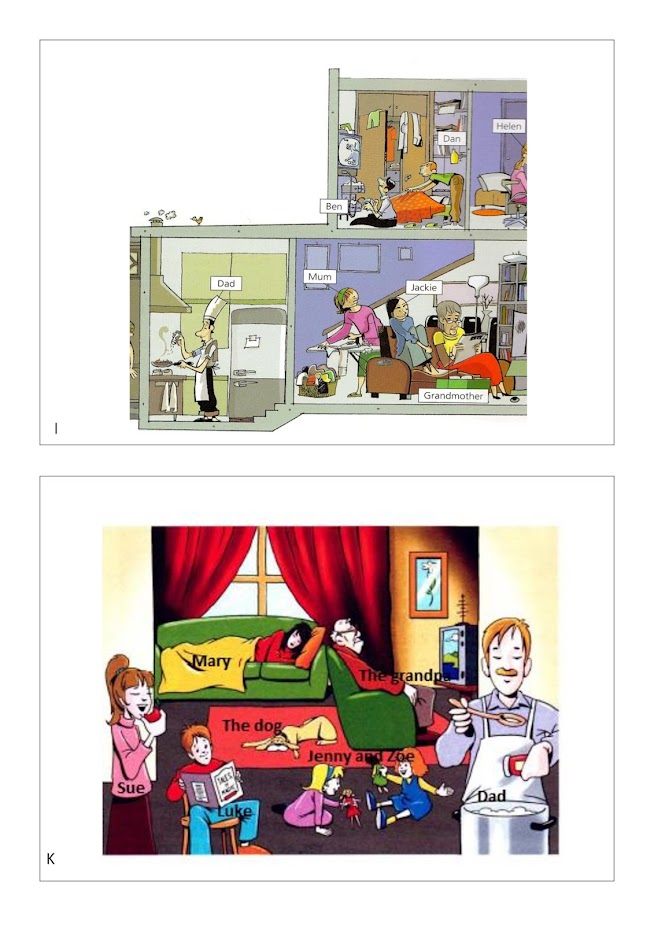
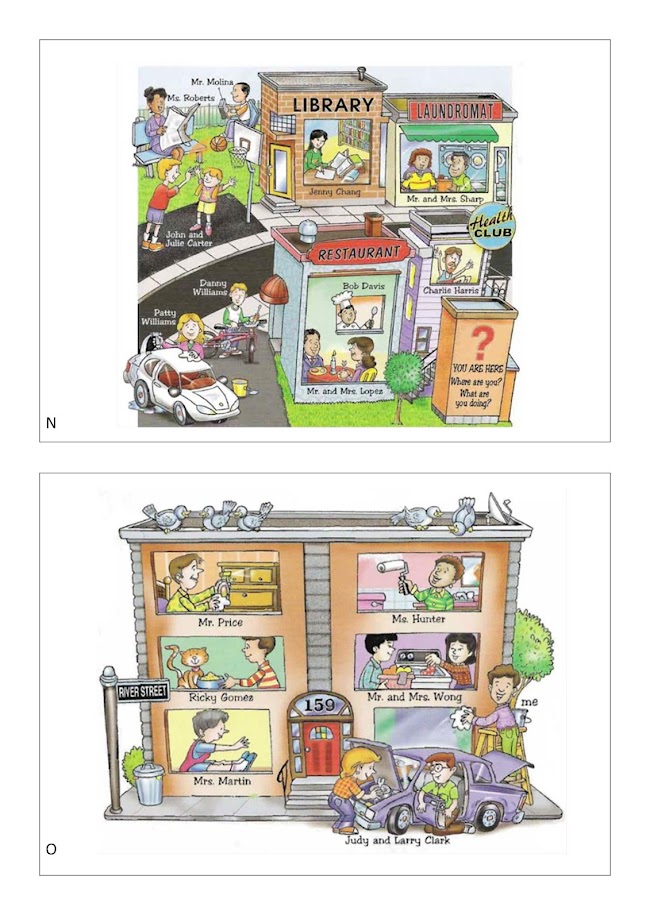
What are/were they doing?

 What are they doing?

What were they doing?

classi prime e seconde - present continuous, past continuous

Speaking cards per allenamento:


There is/are, some/any

Immagini per l'interrogazione classi prime Ricorda: Domande possibili: What is this? Is there /are there a/an/any... in/on/under...? How...